Ha Giang Loop: Self-Drive or Easy Rider?
I rode the Ha Giang Loop on the back of an easy rider’s bike in July 2023. Why I’d make the same call now, the license problem most Americans don’t know about, and what three or four days cost in 2026.
Everyone who does the Ha Giang Loop has to answer the same question before they leave Hanoi: ride the bike yourself, or sit on the back of someone else’s.
On a backpacker forum it gets treated like a personality test. Self-drive is freedom. Easy rider is for people who are scared. I’ve read a lot of those threads. Most of them skip the parts that should decide it.
I rode the loop in July 2023, three days out of Ha Giang city, in the rainy season. I went with an easy rider. It was the best part of a month in Vietnam, and it wasn’t close. Here’s how I’d make the call now, with what it costs in 2026 and the paperwork problem most Americans don’t find out about until a checkpoint.
The short answer
Take an easy rider, unless you already ride motorbikes and hold the right license.
Riding yourself is only legal with a home motorcycle license and a 1968-convention driving permit, and the one AAA sells Americans is the 1949 kind. Without both, a crash isn’t covered and a checkpoint can take the bike. An easy rider costs roughly $60 to $150 more for the whole loop and removes all of it.
What the loop actually is
The Ha Giang Loop is a ring of mountain roads in the far north of Vietnam, right up against the Chinese border. It starts and ends in Ha Giang city, about six to eight hours north of Hanoi by bus, and runs roughly 350 kilometers, about 220 miles, through Quan Ba, Yen Minh, Dong Van, Meo Vac and Du Gia.
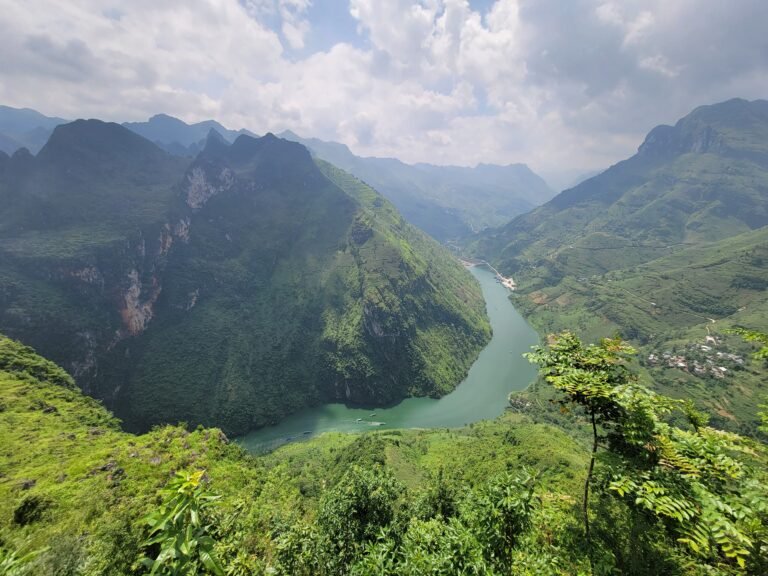
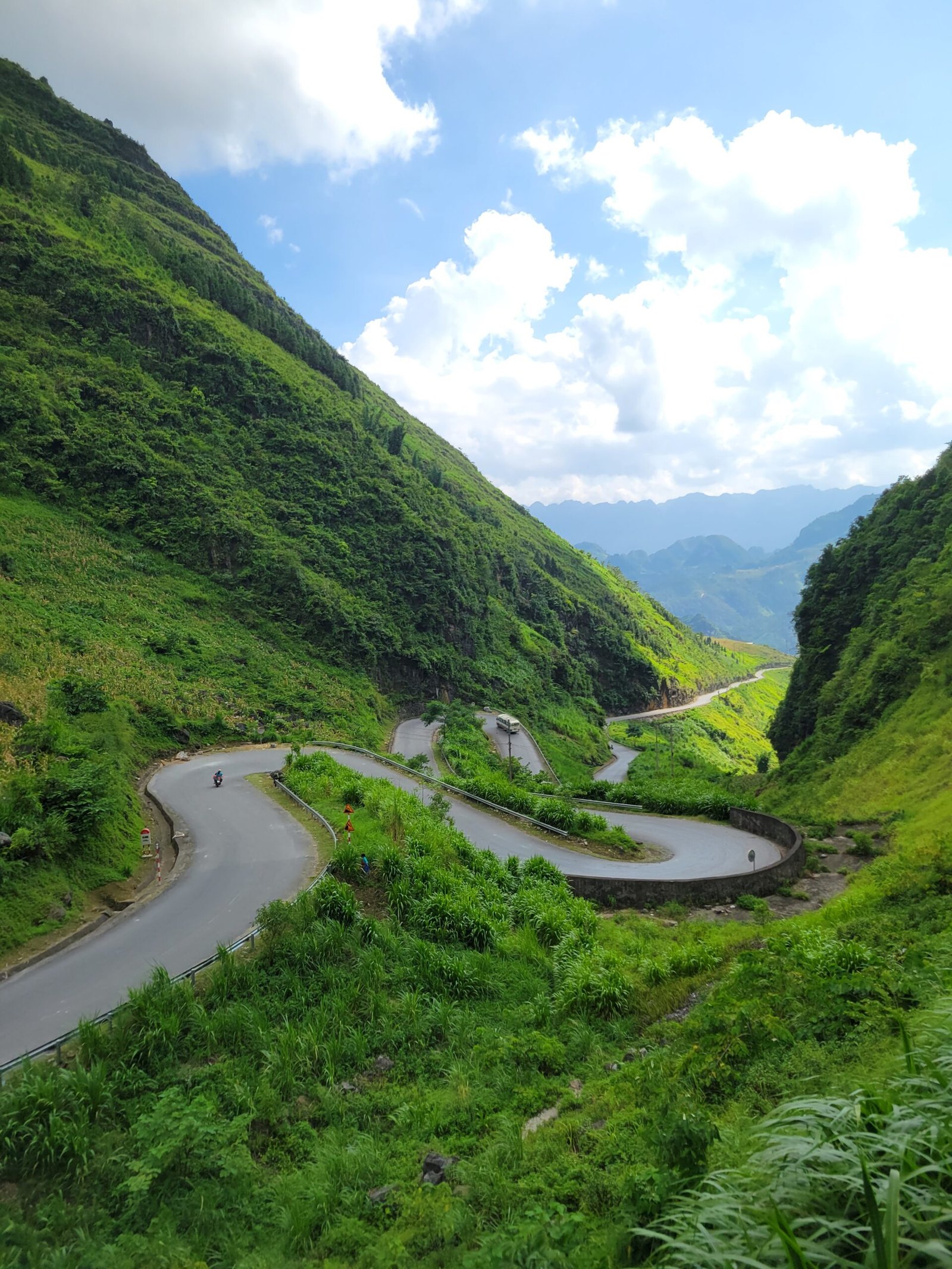
The roads are paved, mostly. They’re also narrow, steep and stacked into switchbacks, shared with trucks, buffalo, kids walking home from school and minibuses that take the inside of every corner. The point of the whole thing is Ma Pi Leng Pass, where the road runs along a cliff above the Nho Que River and the view stops making sense.
One housekeeping note. On July 1, 2025, Ha Giang province was folded into Tuyen Quang province. The town, the loop and the buses haven’t changed, but you’ll see both names on maps and booking sites.
The case for riding it yourself
To be fair to the other side, it’s a real argument.
Riding yourself is cheaper. A semi-automatic bike in Ha Giang rents for about 250,000 to 400,000 dong a day, roughly $10 to $15, and three days of bike, fuel, homestays and food can come in around $90 to $130. You stop where you want, for as long as you want. You leave when you wake up, not when the group does.
And it’s the version people tell stories about. There’s a reason the loop has a reputation as a rite of passage. Getting yourself over Ma Pi Leng on a 125cc Honda feels like you did something.
If you ride motorbikes at home, have the motorcycle endorsement on your license and can get the right permit, I understand completely why you’d want to.
The case for the back seat
An easy rider is a local driver who rides the loop for a living. You sit behind them. They do the switchbacks, the gravel and the trucks, and you look at the mountains.
That’s the bit people undersell. On the back, you see everything. On the front, you see the next thirty feet of road, because that’s where the gravel, the trucks and the buffalo are. You can’t do both well at the same time on this road. I know which one I’d pick.
It’s also less work in ways you don’t think about. The tour company books the homestays, sorts the border permit, carries a spare tube and knows which mechanic in Yen Minh is open on a Sunday. If it pours, your rider has done that road in the rain a few hundred times. You’ve done it zero.
Ride it yourself
Cheaper, freer, on you
Cost: about $90 to $130 for three days, all in
You need: a home motorcycle license and a 1968-convention permit
You get: your own schedule, your own stops
Good if: you ride at home and the paperwork checks out
Easy rider · What I did
Pricier, simpler, a better view
Cost: about $150 to $200 for three days, $215 to $330 for four
You need: a passport and a helmet that fits
You get: the view, the homestays booked, the permit handled
Good if: you don’t ride, or don’t hold the right license
The license problem nobody wants to hear about
This is the part that decides it for most Americans, and most forum threads bury it.
Vietnam recognizes international driving permits issued under the 1968 Vienna Convention. The United States issues permits under the 1949 Geneva Convention. So the permit you can buy at AAA for about $20 isn’t valid for riding in Vietnam, and neither is your US license on its own. You also need a motorcycle category on your home license. A car license plus a permit doesn’t cover a bike. The State Department‘s Vietnam page is the place to check before you go.
That matters in two ways.
The first is the police. Since Vietnam’s new traffic law took effect in January 2025, there are more checkpoints on the loop, with reports of stops around Yen Minh, Dong Van and Meo Vac. Fines for riding without a valid license run roughly 2 to 5 million dong, about $80 to $190, and the bike can be impounded on the spot. The alcohol limit is zero, and they do test.
The second matters more. If you crash without a valid license, your travel insurance can refuse the claim, and that includes the evacuation. The loop is hours from a real hospital. That’s the real cost of riding unlicensed. The fine is small by comparison.
Some Ha Giang hostels and rental shops have started refusing to rent to self-riders without the right paperwork. Others will hand you a bike and a story about how the police never stop foreigners. Decide which one you’d rather believe when you’re lying in a ditch outside Meo Vac.
What three days on the back of a bike looked like
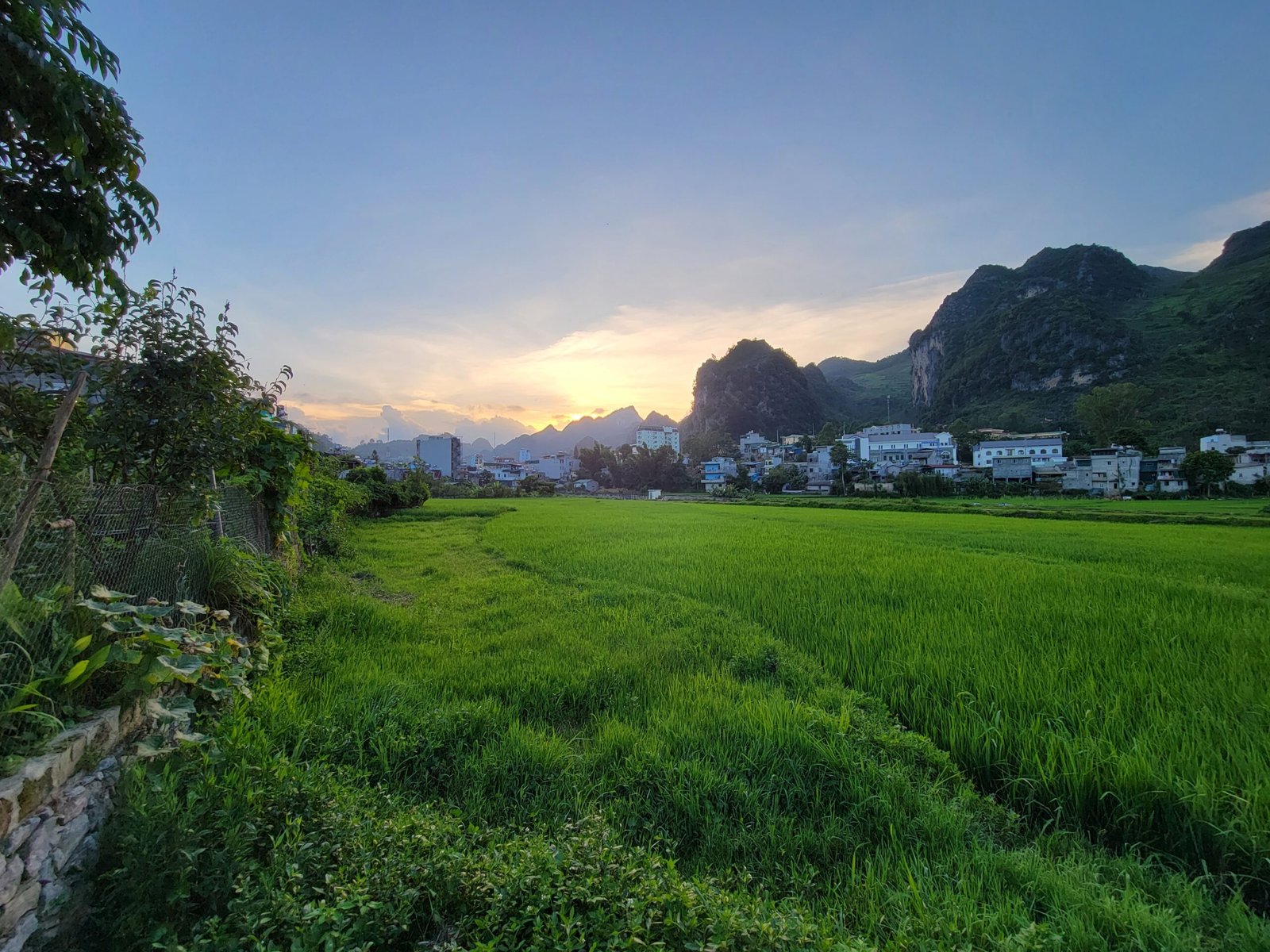
I’d come from Sa Pa a few days earlier, which has terraces and mist and a lot of people selling you things. Ha Giang has the terraces too, but the rest of the place is bigger and emptier, and it gets steeper the further north you go.
Day one is the warm-up: out of town, up Bac Sum Pass, through Quan Ba. The switchbacks start almost immediately. In the photo above there’s one guy on a bike, one minibus and nobody else, which was most of the day. Late July is the wet season, and I was braced for a week of fog. Instead I got blue sky and big white clouds for most of the riding. That’s luck, not advice.
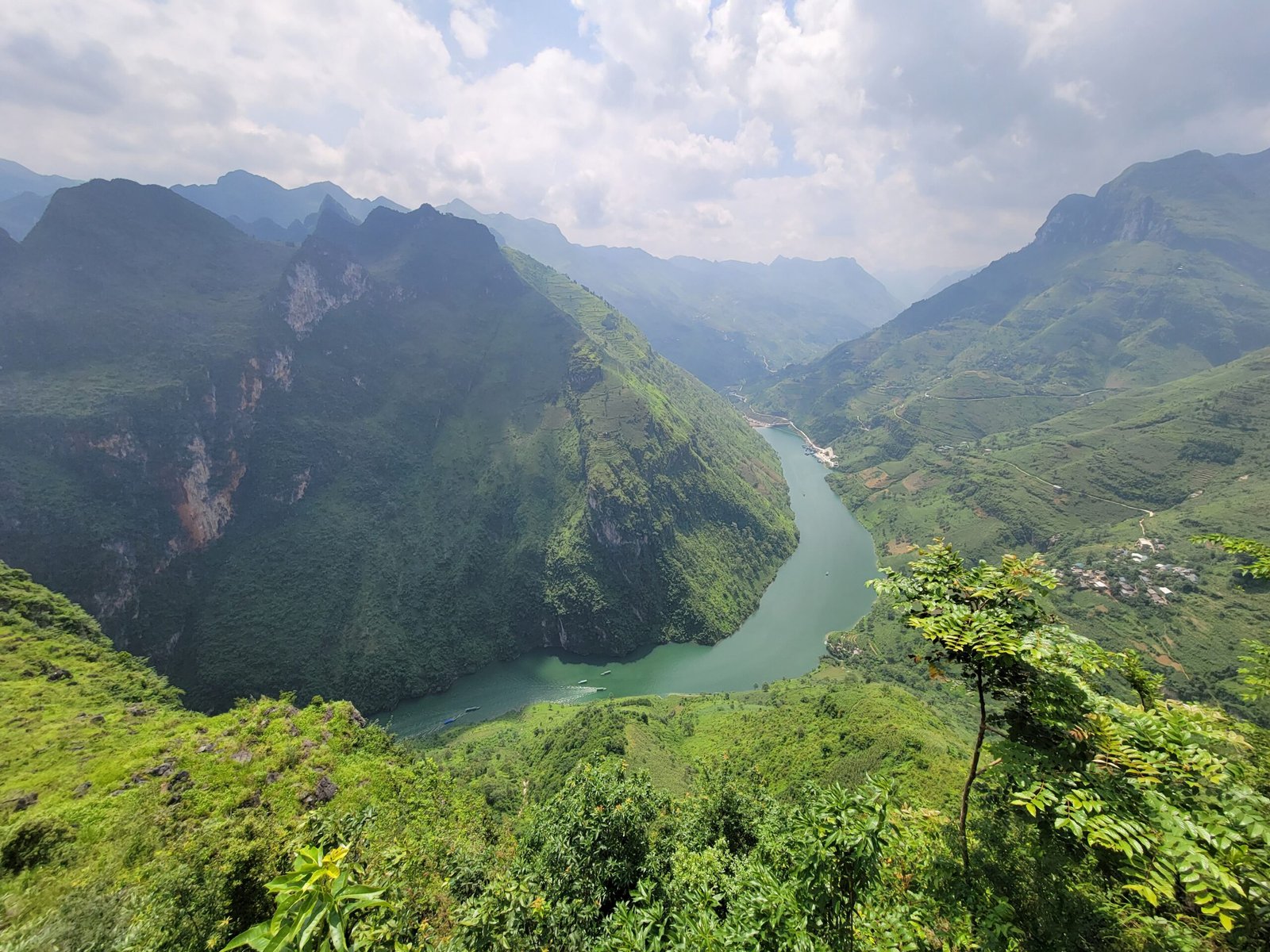
Day two had Ma Pi Leng in the morning. You come around a bend and the river is down there, a green-blue line at the bottom of a gorge so deep it looks painted on. Everybody stops at the same lookouts and takes the same photo. I did too, obviously. It doesn’t capture it, and I don’t think a better camera would.
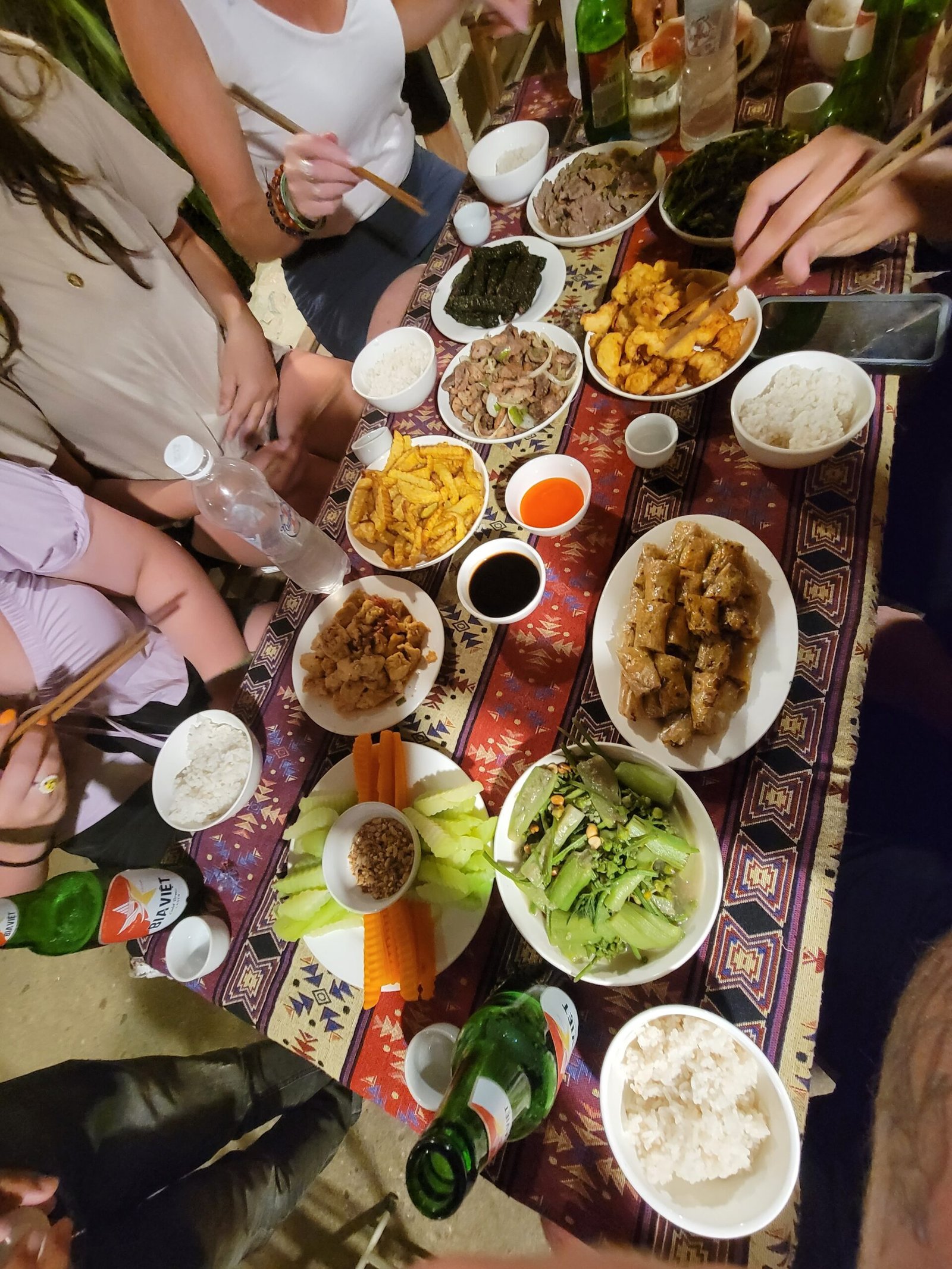
That night was a homestay. The format is the same almost everywhere: a big shared table, a lot of plates, rice, spring rolls, a green vegetable, some kind of fried meat, and in our case a pile of crinkle-cut fries, which tells you exactly who the menu was built for. There were green bottles of Bia Viet. There is always rice wine, which everyone on the loop calls happy water. Your rider may toast you with it. He is also driving in the morning, so watch how much he actually drinks.
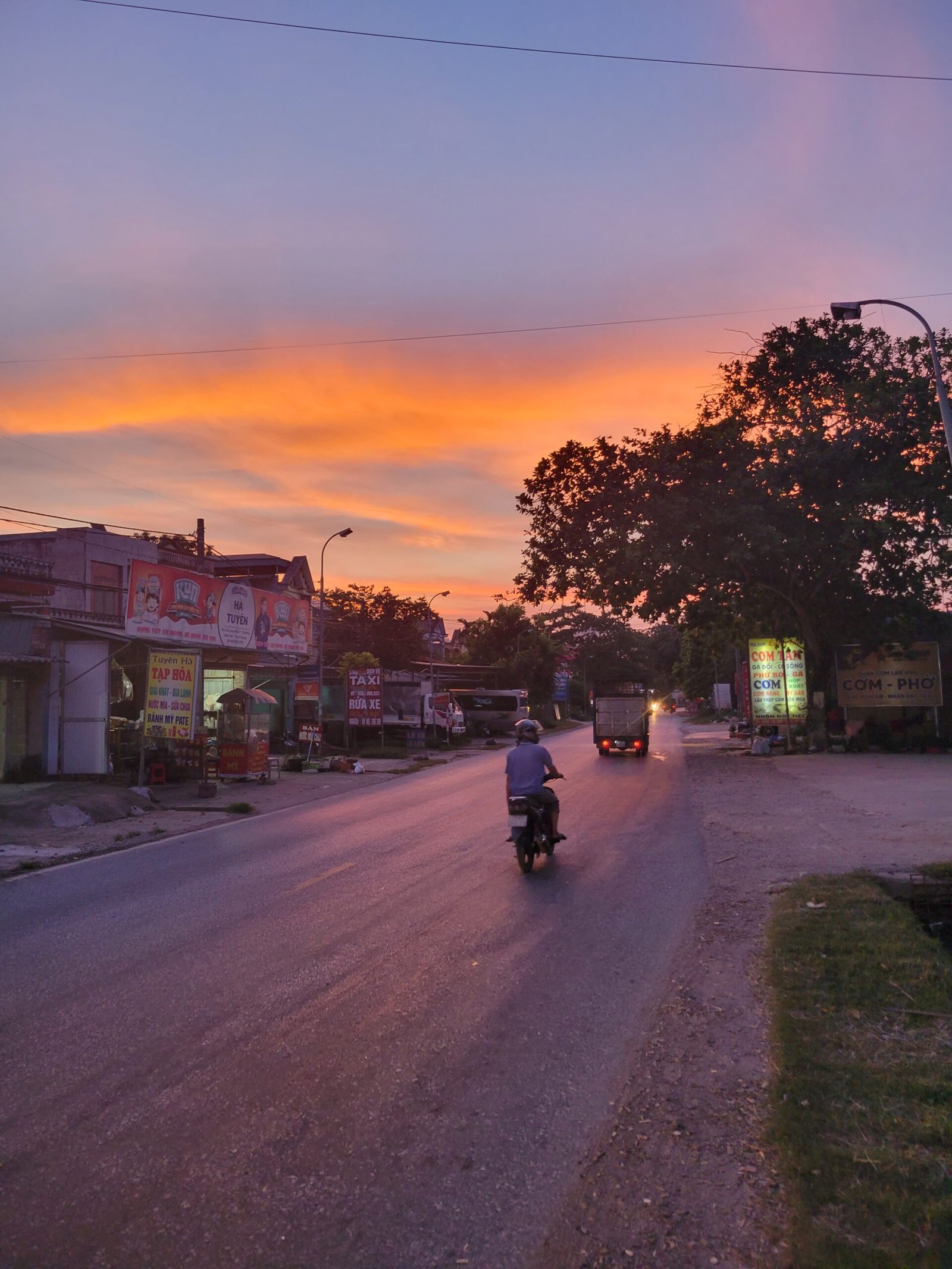
Day three was the long one back to Ha Giang city, and it’s the day I’d change. A three-day loop has to cover a lot of ground at the end, so you spend the afternoon watching the scenery go by at speed instead of stopping in it. By sunset I was back in town, on an ordinary street with a banh mi cart and a car wash, and already working out when I could come back for a fourth day.
Three days or four
Four. I did three, and I’d do four.
The three-day loops usually skip Du Gia or rush it, and turn the last day into a long haul. A fourth day costs about $50 more with an easy rider and gives you room to stop for things, which on this road is constantly. It also gives you a buffer if a storm or a landslide closes a pass for a morning. If you’ve come all the way from the US, the extra day is the cheapest upgrade on the trip.
If you add one thing, make it the boat on the Nho Que River through the Tu San canyon, below Ma Pi Leng. Most companies offer it on the Dong Van to Meo Vac day for a small extra charge.
What it costs in 2026
Per person, from Ha Giang city. Prices move around between companies and seasons, so treat these as ranges, not quotes.
| Easy rider | Self-drive | |
|---|---|---|
| Bus from Hanoi | Often included | $12 to $25 each way |
| Three days | About $150 to $200 | About $90 to $130 all in |
| Four days | About $215 to $330 | About $120 to $170 all in |
| Bike | Included | $10 to $15 a day, semi-automatic |
| Homestays and meals | Usually included | About $8 to $15 a night with dinner |
| Border permit | Usually included | 230,000 to 300,000 dong, about $9 to $12 |
| Tip | $10 to $20 a day for your rider | None |
Check what’s included before you compare prices. The cheap tours are often cheap because the bus up from Hanoi, the permit or the canyon boat isn’t in them. Homestays are cash only, so bring dong for beers and tips.
Free guide · First 24 Hours in a New Country
Landing in Hanoi with a plan beats landing with a phone at 4%.
The night before, the first hour after landing, and the traps. Free with the monthly letter.
When to go
September to November is the best window. The rice is gold in September and early October, and the buckwheat flowers turn the hills pink in late October and November. March to May is the other good stretch.
June to August is the wet season. You get afternoon storms, real landslide risk and views that depend entirely on the clouds. I went in late July and got lucky. December to February is dry but seriously cold up there, often foggy in the mornings, so bring a real jacket and gloves whichever way you ride.
How to pick a company
Book with a company based in Ha Giang city, not a desk in Hanoi’s Old Quarter that resells someone else’s tour with a markup. QT Motorbikes & Tours and Jasmine Tours are two of the established ones. Whichever you pick:
Before you pay
- Ask how many years your rider has been doing the loop, and whether riders are employees or freelancers.
- Check that the bus from Hanoi, homestays, meals, fuel and the permit are in the price.
- Ask about the helmet. You want a full or three-quarter helmet that actually fits, not a bicycle shell.
- Read recent reviews for one thing: did anyone feel unsafe with their rider? That’s the only review that matters.
- Make sure your travel insurance covers you as a motorbike passenger, and covers evacuation.
Would I do it the same way again?
Yes. I’d add a day and I’d still sit on the back. I did get my motorcycle endorsement this year, so next time the paperwork is at least half solved. The other half is still an AAA permit Vietnam doesn’t recognize, so, back seat it is.
I think the self-drive argument usually gets framed the wrong way. It’s not freedom against safety. The real question is whether you want to prove you can do it or actually see it. Plenty of people can do both. If you can, ride it. If you can’t, legally or practically, the back seat isn’t the lesser version. You’re still on a motorbike on one of the best roads in Asia. You’re just looking up.
The freedom I care about is getting to the places I want to see without anything getting in the way. On the Ha Giang Loop, the thing in the way was a permit I didn’t have and a road I didn’t know. Paying someone who knows the road solved both, and it was some of the best money I spent in Vietnam.
I leave the US again on February 21, 2027, and Southeast Asia is on the list. If you’re planning the north, the Vietnam in 14 days route builds the loop into two weeks with Ninh Binh and the bays. Drop your email below if you want to follow along. The day-to-day goes on Instagram.

Thanks for reading
Get the next one on the 1st.
I’m Dylan. One honest email a month: what it cost, what worked, and the places worth your time. You also get my free field guide, First 24 Hours in a New Country.
Free. Unsubscribe in one click.