Crossing Into Panama: A Month on Isla Bastimentos
My Costa Rica visa was running out and I didn’t want to go home. So I took a bus, a border, another bus and a boat to Isla Bastimentos, where my whole job was making sure nobody ate dinner alone.
Back then, Costa Rica gave Americans 90 days. That was it.
I was coming up on mine and I didn’t want to go home. That was the entire deliberation.
The nice thing about a visa deadline is that it makes the decision for you. No agonizing over whether to keep going. The calendar is going to settle it either way. All you get to decide is which direction you go on the last day.
I was already in Puerto Viejo, which sits close to the Panamanian border on the Caribbean coast. Panama was the next country over. So I said screw it, Panama it is.
That’s how most of my good decisions have gone. Not a plan. A deadline plus proximity.
Bus, border, bus, boat
The route from Puerto Viejo to where I ended up is one of my favorite travel days I’ve ever had, and it involved four different vehicles.
Bus to Sixaola, the border town. Cross into Panama. Another bus on the far side to Almirante, on the coast. Then a boat taxi out into the Bocas del Toro archipelago, to Isla Bastimentos.
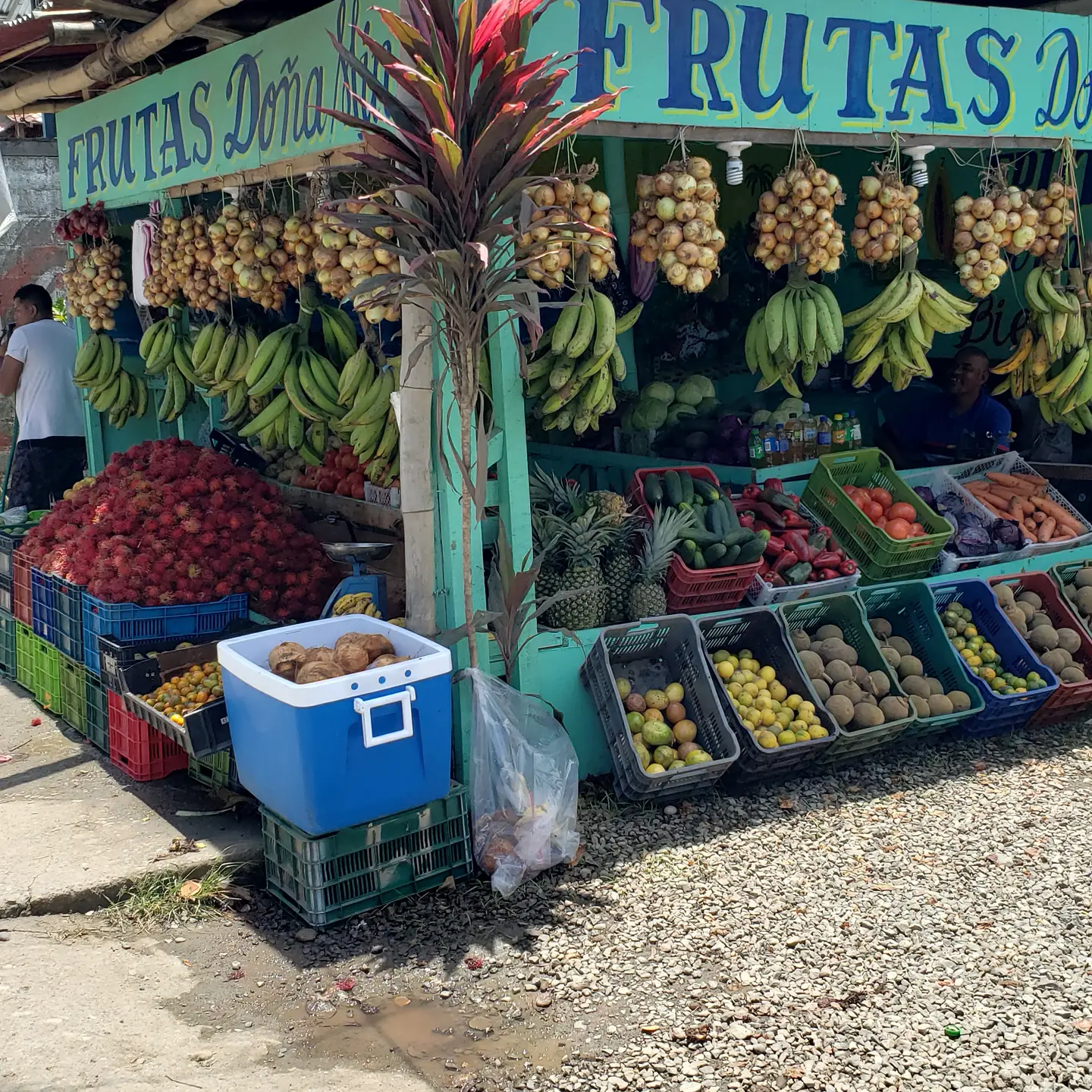
I want to be clear that this is not an epic. It was a normal travel day for the region and thousands of people do it every year. But it was the first international land border I’d ever crossed, and there’s something about walking from one country into another with your bag on your back that a flight just doesn’t give you.
By the end of the day I was on an island, in an archipelago, at a hostel, in a country I had not planned to visit that morning.
The easiest job I have ever had
The Workaway setup in Costa Rica had been real work. Coffee at dawn, water filter, stripping beds, cleaning in the kind of heat that reorganizes your afternoon.
Bastimentos was not that.
My job was entertainment.
No cleaning. No check-ins. The hostel ran daily activities and my role, along with the other volunteers, was to help run them. Snorkeling trips. Trivia night. Volleyball. Whatever was on that day.
The other half of the job was talking to people. Specifically new arrivals, because someone who checks into a hostel alone at 4pm can either spend their week on the periphery or get folded into the group in the first hour, and which one happens is almost entirely down to whether anybody bothers to talk to them.
So that was the assignment. Be fun at people. Make sure nobody eats dinner by themselves unless they want to.
I got a bed and a $5 daily stipend at the hostel’s little café, which was usually enough for one full meal.
That’s the whole compensation package. A bed, five dollars, and an island.
What a day looked like
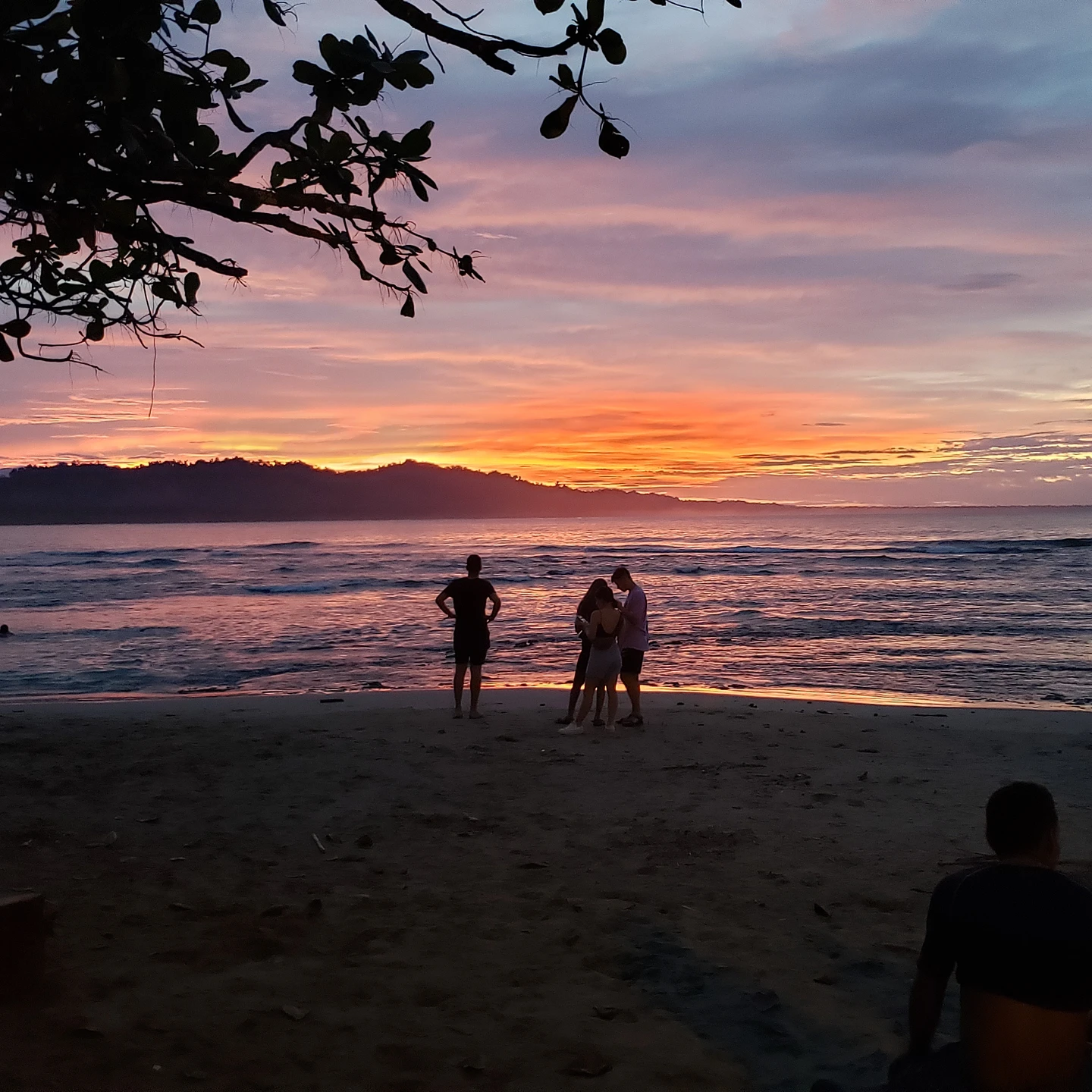
I lived on the beach. Not near the beach. On it.
My days were reading, snorkeling, running whatever activity was scheduled, and talking to a rotating cast of people who had all traveled a long way to be in the same place.
I got off the island now and then, but never far. Dolphin watching. Snorkeling off other islands in the archipelago. A few trips over to Bocas town to see what was there. Then back.
I didn’t set foot on the mainland again until it was time to go home, which I only noticed later. For a month, my entire world was a cluster of islands you can cross by boat in twenty minutes, and it never once felt small.
I’ve had a lot of jobs. I’m not sure I’ve ever been as plain happy as I was on that island, and it cost almost nothing, which is a fact I’d end up thinking about for years.
Work exchange is not one thing
This is the practical part, and it’s the reason I’m writing about Panama separately from Costa Rica.
Same platform. Same basic trade. Completely different experience.
In Costa Rica I worked about 25 hours a week doing genuine hostel labor for a room the size of a bed. In Panama I ran volleyball games and ate a free meal a day on a beach.
Neither was bad. But if you’re evaluating a work exchange and you’re only looking at hours per week and whether food is included, you’re missing most of the variable. What actually determines whether it’s a good trade is what the work is, who else is doing it, and where you have to be while you do it.
Ask what the job actually involves before you commit. Ask how many other volunteers there are. Two hostels can advertise the identical arrangement and deliver wildly different months.
I’d do either one again. If I’m being picky, though, I’m taking the one with the volleyball.
Free guide · Work a Season
Want the full list of questions?
Every question I’d ask before taking a job that comes with housing.
Then I went home and opened a store
Here’s the part I think about most.
After that month I made my way home. A couple of months later I signed a commercial lease and opened a retail store.
Put those two things next to each other for a second. I sure didn’t, at the time.
I had just spent a month proving to myself that I could be almost completely happy with a bed, five dollars a day, and something to snorkel over. Then I flew back to Texas and immediately took on inventory, rent, fixed costs, and a schedule that made leaving impossible.
That wasn’t hypocrisy. It’s that I hadn’t processed any of it yet. I still thought the islands were the vacation and the store was the life. It took a failed business, a bankruptcy, and a year of sleeping in my car before I turned that around and started asking whether I’d had it backwards.
Bastimentos didn’t teach me a lesson at the time. It just gave me something I wasn’t ready to make sense of for another few years.
I leave the US again on February 21, 2027, and work exchange is part of the plan. I’m publishing what all of it actually costs. Drop your email below if you want to follow along. The day-to-day goes on Instagram.
Thanks for reading
Get the next one on the 1st.
I’m Dylan. One honest email a month: what it cost, what worked, and the places worth your time. You also get my free field guide, First 24 Hours in a New Country.
Free. Unsubscribe in one click.